
My Cart

Close

Temporary Inline Stainless Steel Strainer


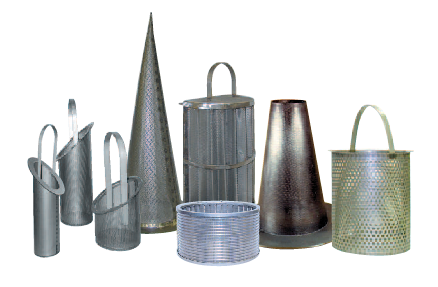
The basket or element is the heart of the strainer.  After a particular type of strainer housing has been selected, equal concern should be given to the basket or screen design and the perforation or mesh size, for this alone determines the ultimate functionality and performance of the strainer.

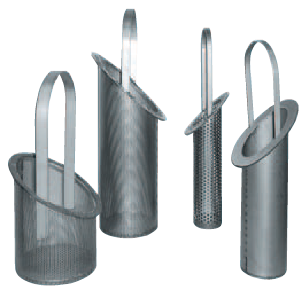
Slanted (Elliptical) Top
The basket or element is the heart of the strainer.  After a particular type of strainer housing has been selected, equal concern should be given to the basket or screen design and the perforation or mesh size, for this alone determines the ultimate functionality and performance of the strainer.

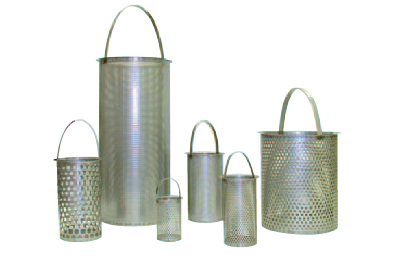
Cylindrical 
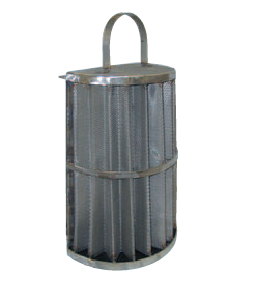
Standard Baskets with bow-shaped handles which are pushed down by the cover to ensure a tight seal in the strainer body. This is the standard type of perforated or mesh basket available in Stainless Steel or Monel.

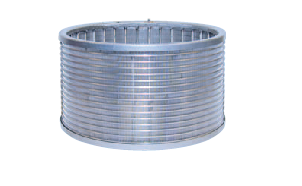
Pleated (Convoluted)
Pleated, open type baskets which have a very low pressure drop. The convoluted or pleated structure gives a much greater straining area than other designs.

Elements (Screens)
Used in self cleaning strainers instead of baskets to trap unwanted particles and debris. These items are designed so that debris is easily dislodged during backwashing, and can be made from perforated plate, sinter bonded mesh and wedge wire.

Slanted (Elliptical) Top
The slanted open top design allows fluid to enter easily and cuts down pressure
drop. This also allows inline connections on fabricated bodies, and also the use of
smaller baskets in multi-basket strainers so that these can be removed easily by one person, even on very large units.

Mesh liners of 20, 40, 60, 80, and 100 (best with basket type strainers)
Line flushing after any modification work
2" to 24" flanged connection
Available in Stainless Steel or Monel
ANSI Classes 150, 300, and 600
Perforations from 1/32" to1/2" diameter
Optional: Alloy construction, RTJ-style connections

Below is all information pertaining to the Temporary Inline Strainer:

Temporary Inline Strainers

Cannot find the configuration you are looking for? We would be happy to issue you a formal quote with exactly what you need.


Frequently Asked Questions

1. What are the typical applications for a Temporary Inline Stainless Steel Strainer? +

Temporary inline stainless steel strainers are commonly used in pipelines during initial plant startup, system commissioning, and flushing processes to protect downstream equipment from construction debris, scale, weld slag, or other contaminants. They are also used in systems that require short-term or transitional filtration until permanent filtration equipment is installed or until the process stabilizes.

2. How do temporary inline strainers differ from permanent strainers? +

Temporary inline strainers are designed for short-term use within existing piping and are typically installed during system startup, commissioning, or flushing. They are easy to remove once the system is clean and no longer requires initial debris protection.

Permanent strainers, on the other hand, are installed for continuous, long-term operation to provide ongoing protection for pumps, valves, and other downstream equipment.

If you're unsure whether your application requires a temporary inline strainer or a permanent solution, please contact our team and we can help determine the best option for your system.

3. How is the strainer installed in the pipeline? +

Temporary inline strainers are installed between two flanges in the pipeline and are held securely in place by bolting the flanges together. This creates a tight, sealed fit that allows the strainer to capture debris during system startup or flushing.

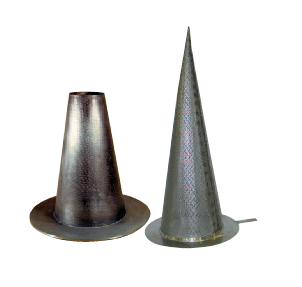
Each temporary strainer includes an extended handle, allowing operators to easily identify its position within the pipeline for quick removal or inspection when needed.

4. Can these Strainers handle high-pressure applications? +

Yes, depending on the design and material of construction, temporary inline stainless steel strainers can handle high-pressure applications. Many designs are available for standard 150# and 300# flange ratings, with pressure capability determined by the flange class, mesh or perforation strength, and overall strainer geometry.

When requesting a quote, please be sure to include your operating pressure and flow rate so our team can verify compatibility and ensure you receive the best strainer option for your application.

5. How often should the Strainer be cleaned? +

Cleaning frequency depends on the application and the amount of debris present in the pipeline. Temporary inline strainers should be inspected regularly during startup, commissioning, or flushing operations and cleaned as needed. As debris collects on the strainer screen, flow becomes restricted, which may cause a noticeable drop in flow rate or an increase in system pressure or vacuum, depending on the process. In systems with heavy debris loads, more frequent checks may be required to prevent pressure drop or flow restriction.

6. Can the Temporary Inline Baskets be replaced or cleaned? +

Yes. Temporary inline baskets are fully removable, allowing them to be cleaned or replaced as needed. Depending on the amount and type of material captured, operators can simply remove the basket, clear out accumulated debris, and reinstall it. If the basket shows signs of damage, corrosion, or excessive wear, it should be replaced to ensure proper filtration and prevent debris from bypassing downstream. Regular inspection and cleaning help maintain flow efficiency and prolong the effectiveness of the temporary strainer during startup or flushing operations.

Learn about New Products, Discounts, and more!