
My Cart

Close

HVAC Filters

Carbon Filter

Carbon Filters

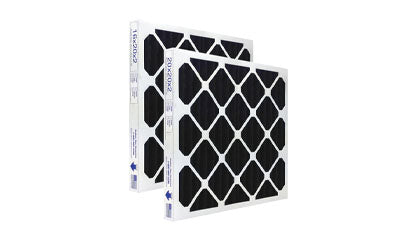
These HVAC Filters use carbon in order to absorb molecules from the air. It is an effective solution for the removal of these airborne contaminants which can cause potential health risks


Disposable Panel Filter

Disposable Panel Filters

Disposable Panel Filters are rigidly constructed to maximize dust holding capacity. These filters are generally used in high traffic dust laden applications and are replaced at 30-day intervals on average.

Fiberglass     Polyester     Link Panels     Ring Panels     Synthetic     Rittal Pads


High Temperature Pleated Filters

High Temperature Filters

East Coast Filter, Inc.'s PLHTP High Temperature Filters are designed for applications with a Maximum Operating Temperature of 500°F where a Standard Pleated Air Filter with Cardboard or Beverage Board Frame will not hold up

Pleated Air Filters

Pleated Filters

Pleated Filters are available in a wide range of sizes for all Commercial, Industrial and Residential Applications.

Air Bear     Economy Pleated    High Efficiency Pleated     Self Supported Pleated

Pocket Filters

Pocket Filters

Designed for use in Air Filtration Systems and Equipment where medium to high efficiency filtration is required. Available in a wide variety of standard sizes, face dimensions, pocket numbers and depths.

 
Rigid Cell Filters

Rigid Cell Filters

East Coast Filter, Inc.’s Industrial Rigid Cell Filters are designed to assist at removing fine dust particulates from 0.3 to 25 Microns from airflow surrounding various pieces of equipment. Contaminants and chances of corrosion are greatly reduced with the help of these filters. 

Frequently Asked Questions

1. What is the difference between a Nominal or Exact Size Air filters? +

A nominal size air filter refers to the rounded, labeled dimensions of the filter, not its actual measurements. Nominal sizes are slightly undercut to ensure the filter fits properly into standard housings. For example, a filter listed as 24" x 24" x 1" Nominal will typically measure approximately 23-1/2" x 23-1/2" x 3/4" Exact.

An exact size air filter, on the other hand, is manufactured to the precise dimensions requested. For example, a filter specified as 18" x 24" x 1" Exact will be delivered at 18" x 24" x ¾", with no undercutting.

It’s also important to note that people often confuse the actual size of the filter with the size of the opening or track it fits into. Always measure the physical filter itself, not the housing, to ensure the correct size is ordered.

2. What Efficiencies are available in HVAC Filters? +

The efficiency range depends on the specific type of air filter you’re looking for, but HVAC filters are commonly available from MERV 6 up to MERV 16. Lower MERV ratings are suitable for general dust control and basic air quality needs, while higher MERV filters capture much finer particulates and are used in more demanding environments.

Selecting the correct efficiency is important to ensure a balance between airflow performance and particulate removal. Choosing a filter that is too restrictive for your system can reduce airflow, while choosing one that is too low-efficiency may not provide adequate protection.

If you need assistance determining the right MERV rating for your application, our Application Engineers are happy to help you select the best option for your process.

3. What is the main purpose of an Air Filter in an HVAC Unit? +

The primary purpose of an air filter in an HVAC system is to remove dust, debris, and airborne contaminants from the air before it enters the heating or cooling equipment. This protects internal components from dirt buildup, reduces wear on the system, helps maintain efficient airflow, and minimizes maintenance on the coils. In addition to equipment protection, the air filter also improves indoor air quality by capturing particulates that would otherwise circulate throughout the building.

4. Will a MERV 13 or 15 air filter in my HVAC system remove viruses in my home? +

MERV 13–15 air filters can capture a significant portion of airborne particles in the size range associated with many virus-containing respiratory droplets and aerosols, but they do not guarantee complete virus removal. These filters are effective at reducing airborne particulate levels and improving overall air quality, and they can help lower the concentration of virus-carrying particles in the air but no HVAC filter can fully eliminate viruses on its own.

Several factors affect performance, including the HVAC system’s airflow capacity, filter fit and sealing, run time, humidity levels, and the size of the airborne droplets. In residential systems, upgrading to a higher MERV filter must also be balanced with ensuring the system can handle the additional resistance without reducing airflow or straining the equipment.

For the best overall protection, MERV 13–15 filtration is most effective when combined with proper ventilation, humidity control, make-up air, surface cleaning practices, and—when needed—supplemental air cleaning (such as HEPA portable units).

If you’re unsure whether your HVAC system can support a MERV 13 or 15 filter, our Application Engineers can review your system specifications and recommend the safest and most effective filtration option.

Learn about New Products, Discounts, and more!